


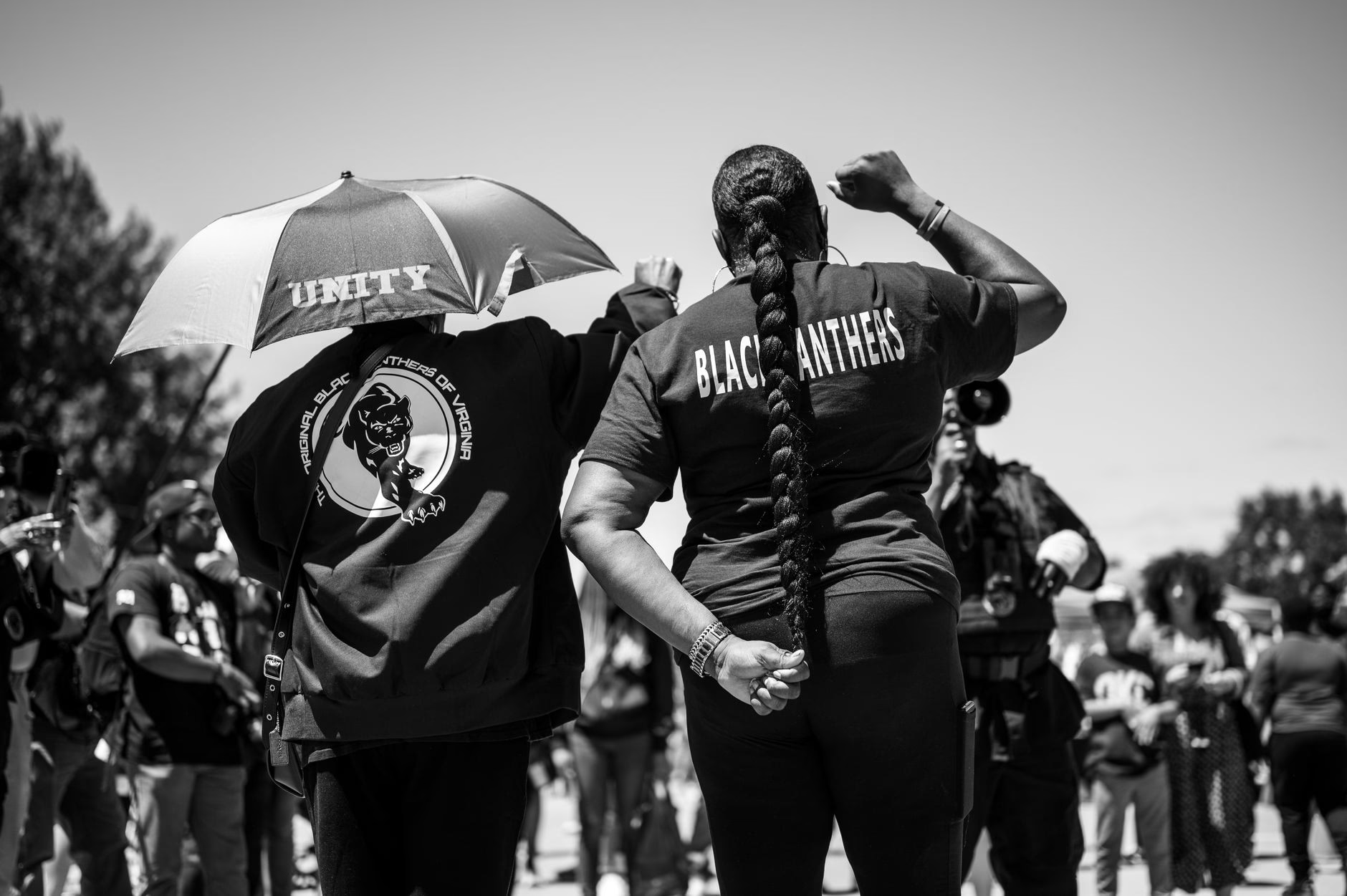
Introduction to a Lasting Legacy
Six decades after its initial establishment, the enduring impact of the Black Panther Party continues to resonate deeply within modern community health initiatives. While mainstream historical accounts often focus solely on the political rhetoric of the era, the practical community programs launched during the mid-twentieth century established a blueprint for grassroots advocacy and mutual aid that persists to this day.
Addressing Systemic Health Disparities
A primary example of this enduring influence can be found in Seattle, Washington. Here, a specialized medical center that was originally established to combat systemic healthcare disparities affecting the African American community remains operational. This institution stands as a testament to the organization’s forward-thinking approach to public health, recognizing that community wellness is inextricably linked to social justice and economic equality.
Foundational Programs That Aided the Vulnerable
During its active years, the party implemented numerous survival programs designed to directly aid the poor and marginalized populations across the United States. These initiatives ranged from free breakfast programs for schoolchildren to comprehensive health clinics offering medical testing and preventative care. By stepping in to provide essential resources where government infrastructure fell short, the founders demonstrated a profound commitment to grassroots empowerment.
Honoring the 1966 Founding
As veterans and stalwarts of the movement gather to celebrate the anniversary of the 1966 founding in Oakland, conversations frequently center on the evolution of these community-based efforts. The focus remains on how historical activism translates into contemporary service models. Attendees reflect on the milestones achieved and the ongoing necessity of addressing persistent inequalities in marginalized neighborhoods.
The Modern Relevance of Grassroots Care
Today, the medical institutions and community support networks inspired by those early efforts face new challenges, yet their core mission remains unchanged. By prioritizing accessible care for underserved populations, these modern entities honor the vision of the original founders. The ongoing success of these programs illustrates that practical, community-led interventions can create lasting structural change that benefits generations to come.




















Leave a Reply