


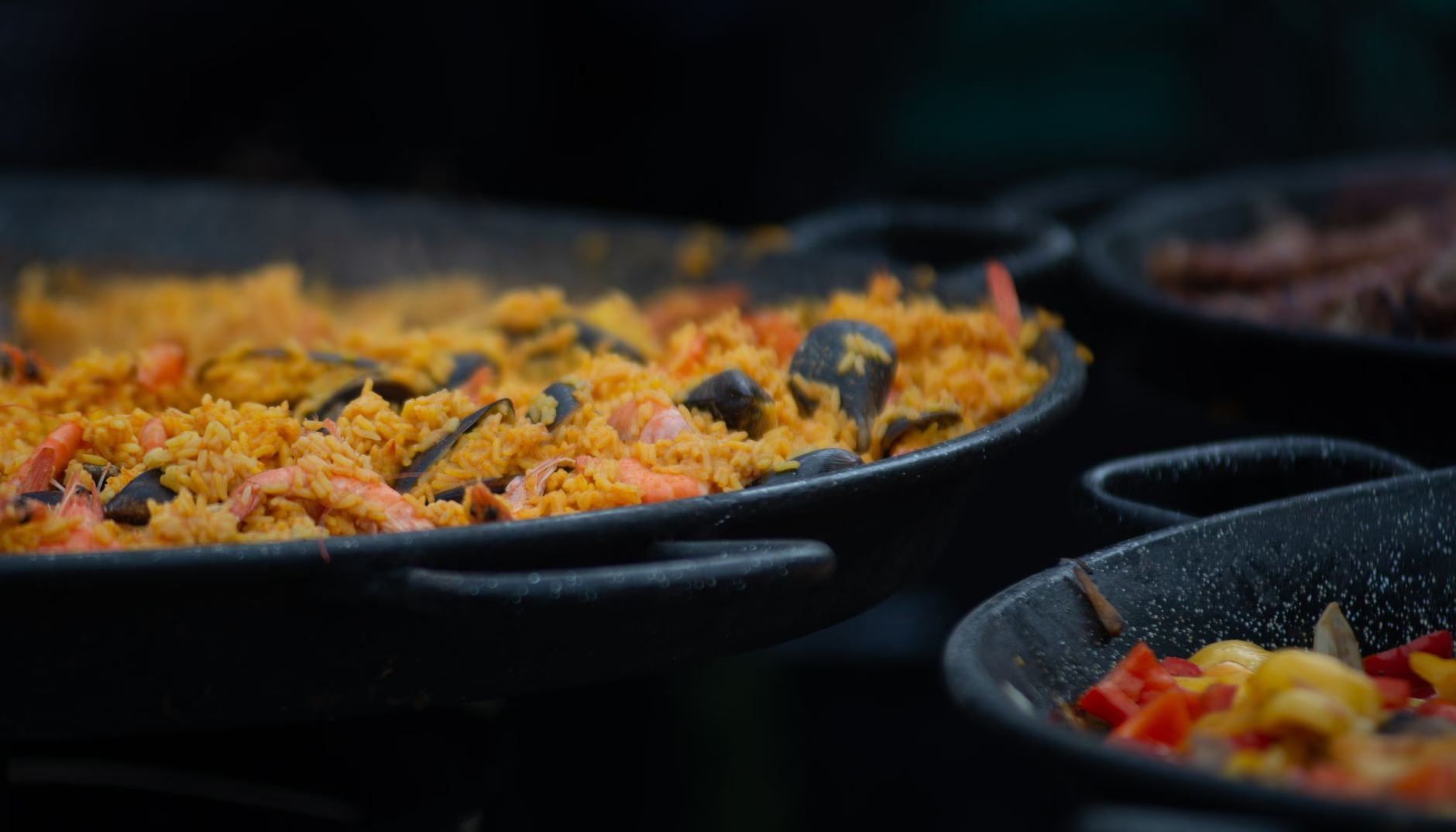
Introduction To Spanish Culinary Heritage
Spanish cuisine features numerous iconic dishes, yet few hold the global renown and cultural significance of paella. Over the decades, this famous rice preparation has inspired countless adaptations and modern reinterpretations across the globe. Culinary enthusiasts often experiment with different proteins, vegetables, and cooking techniques, distancing the meal from its historical roots. To understand the true essence of this Mediterranean staple, one must travel directly to its birthplace in the eastern region of Spain.
The Origins Of Traditional Paella
Valencia stands as the historical and cultural home of authentic paella. Long before the dish gained international fame, local farmers and laborers in the region utilized ingredients readily available in their immediate surroundings. The classic recipe relied heavily on short-grain rice cultivated in the nearby wetlands, combined with local meats, fresh vegetables, and flavorful saffron. This simplicity allowed each component to shine, creating a harmonious balance of earthy flavors and rich textures that defined rural dining.
Mastering The Traditional Cooking Method
Preparing a genuine regional paella requires specific tools and precise techniques. Cooks use a wide, shallow metal pan known by the same name, which ensures even heat distribution and encourages the development of a prized bottom layer of caramelized rice called the socarrat. The cooking process is typically performed over an open wood fire, imparting a subtle smoky aroma that electric or standard gas stoves struggle to replicate. Every step demands patience, from managing the intensity of the heat to allowing the broth to absorb completely without stirring.
Preserving Heritage In Modern Times
Today, culinary purists in the region work diligently to protect the authenticity of their signature dish against modern deviations. Local associations and veteran chefs advocate for strict adherence to the foundational ingredient list, ensuring that future generations understand the history behind the meal. While international variations will undoubtedly continue to evolve, the authentic preparation remains a symbol of regional pride, communal gathering, and timeless gastronomic tradition.






















Leave a Reply