


Understanding The Shift In Storm Strength
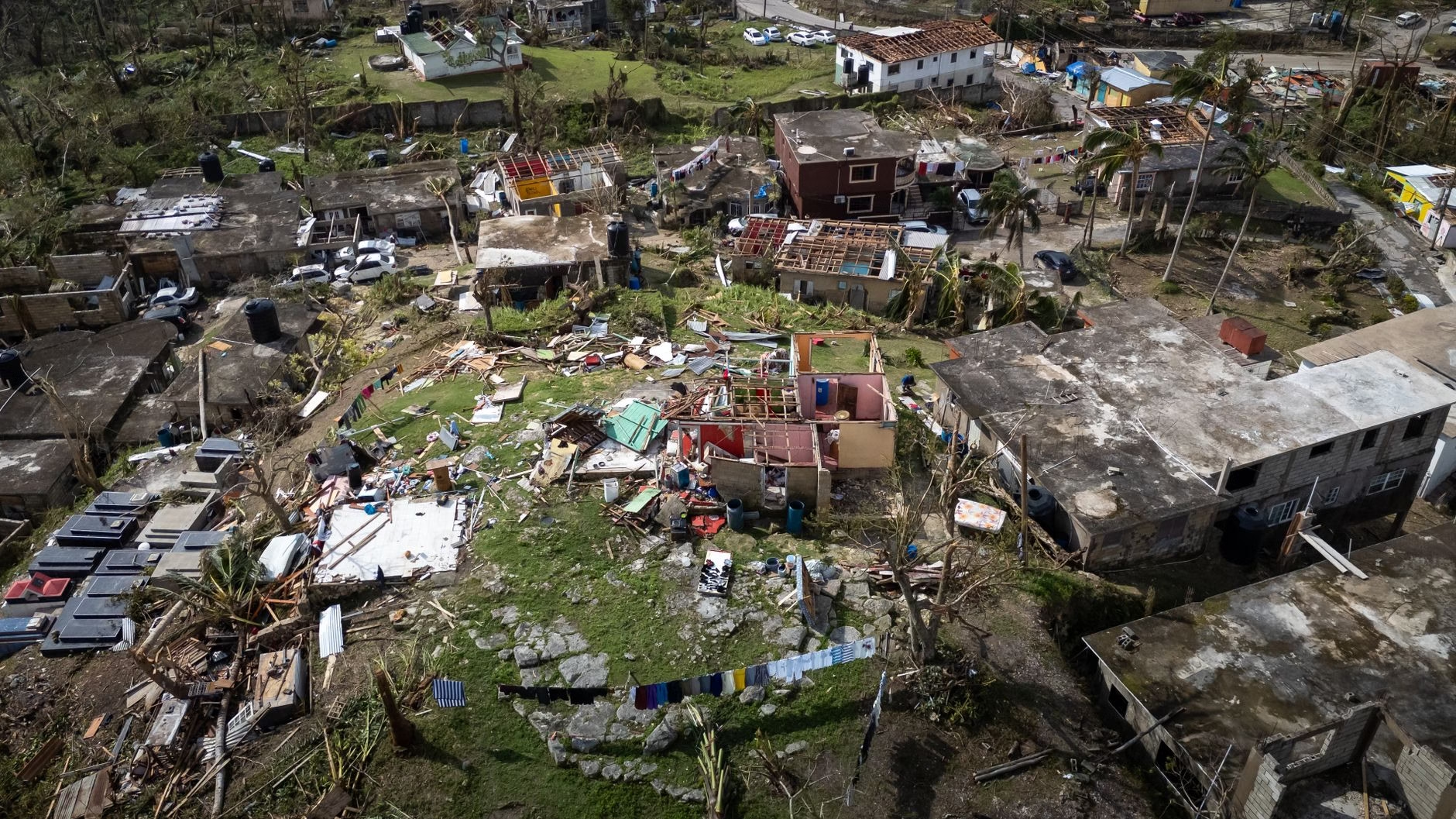
Isaias experienced a significant weakening trend overnight, resulting in the system losing its hurricane classification as it transitioned further inland. Even though the maximum sustained winds decreased, the atmospheric disturbance retained substantial moisture and energy. Authorities and meteorologists emphasized that a drop in wind speed did not equate to an all-clear. Instead, the focus of the emergency response shifted toward secondary hazards that frequently accompany weakening tropical systems.
Flash Flooding And Tornado Threats
As the weekend progressed, severe weather hazards remained a primary concern for residents in the path of the system. The persistent threat of flash flooding loomed large over saturated regions, particularly where heavy rainfall rates overwhelmed local drainage infrastructure. In addition to rising waters, atmospheric conditions kept the door open for potential tornado activity. Emergency management agencies urged the public to remain vigilant, monitor local weather alerts, and avoid traveling through flooded roadways.
Coping With Widespread Power Outages
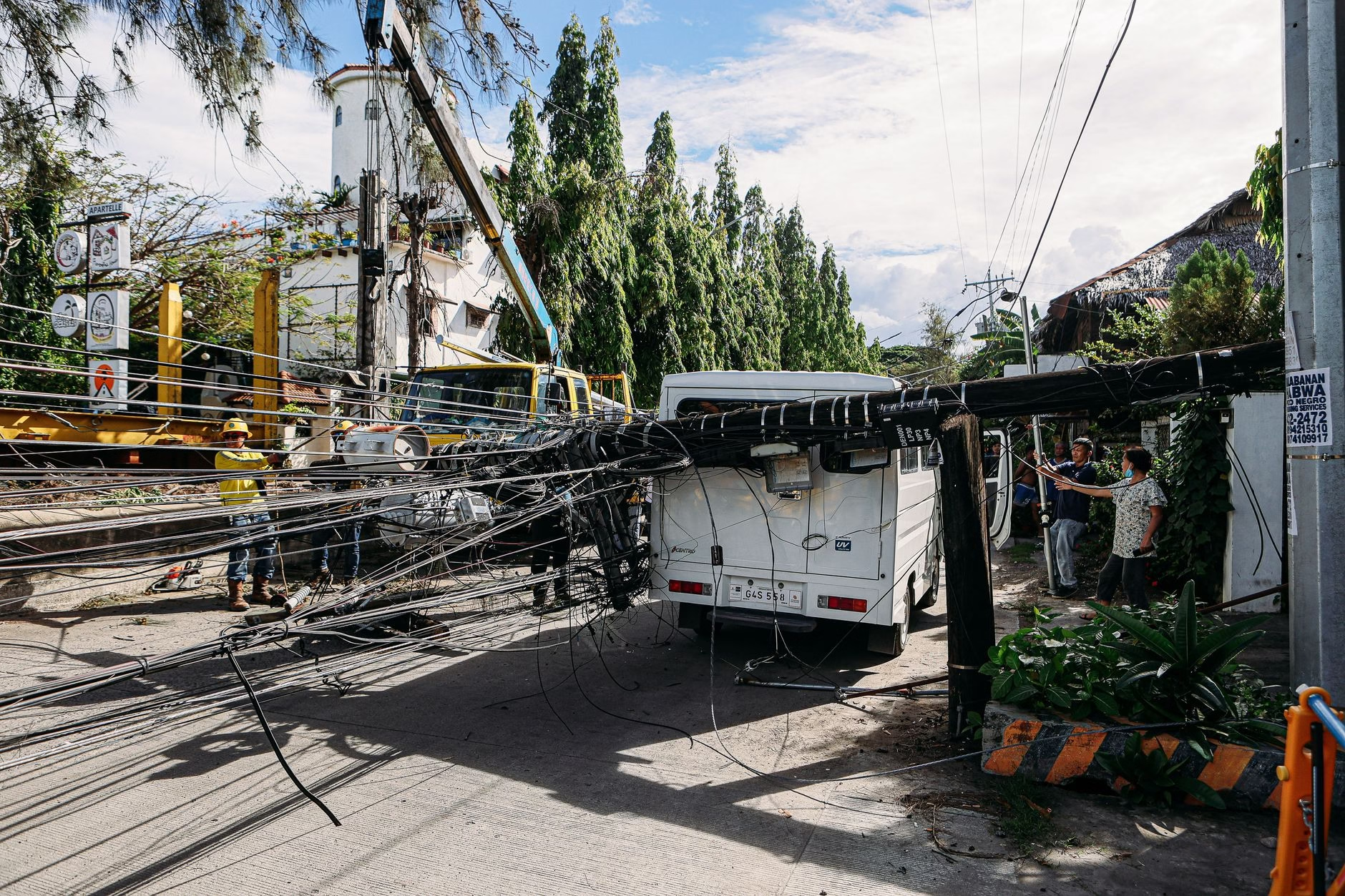
Beyond the immediate meteorological dangers, hundreds of thousands of utility customers found themselves grappling with widespread power outages. Downed tree branches and structural impacts from gusty winds compromised regional electrical grids. Utility crews mobilized rapidly to begin restoration efforts, though hazardous conditions slowed initial assessment and repair operations. Officials advised residents to treat all downed power lines as live and dangerous, recommending the use of battery-powered flashlights and emergency kits while waiting for services to return.






















Leave a Reply