


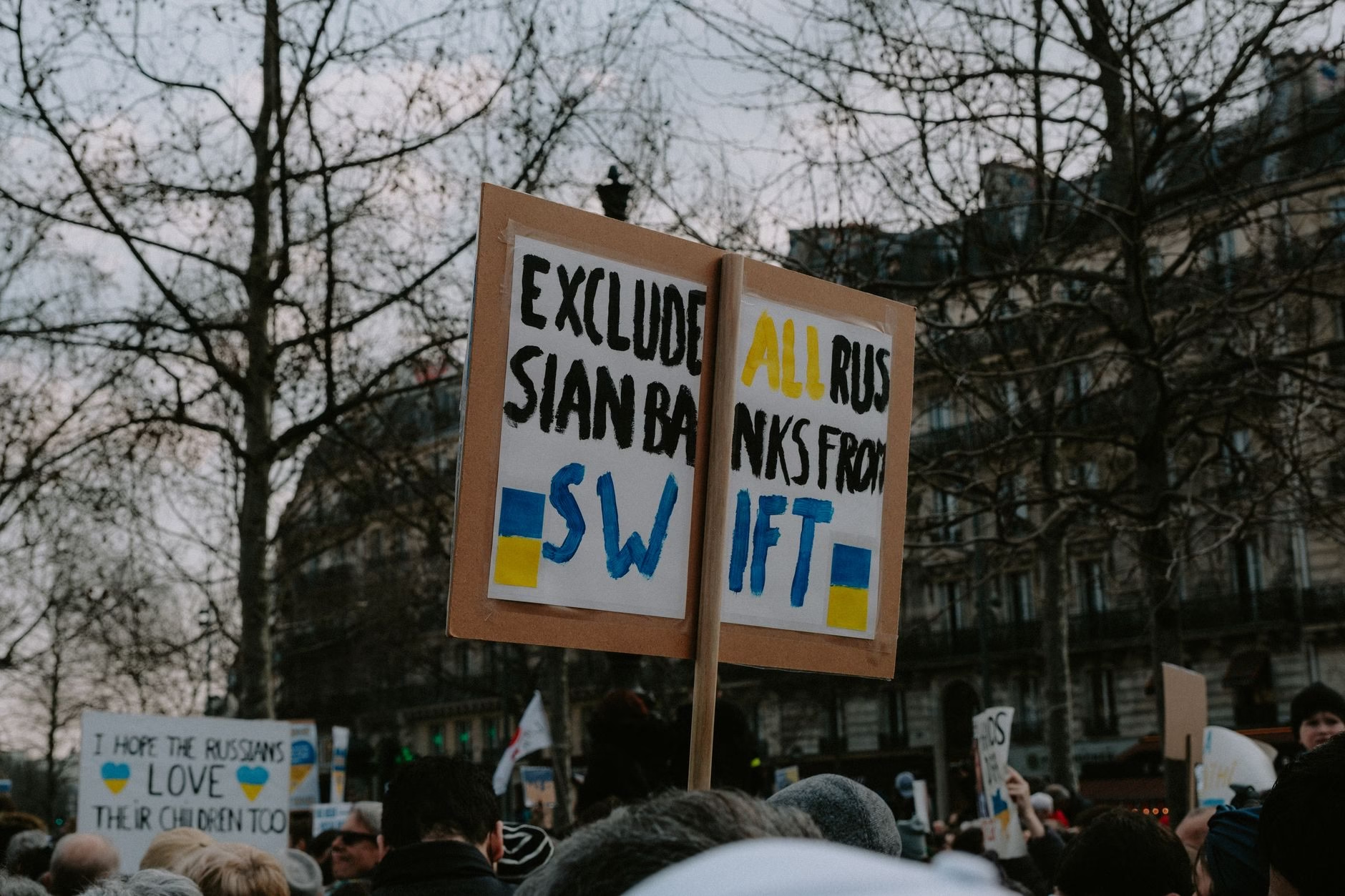
International Policy and Sanctions Enforcement
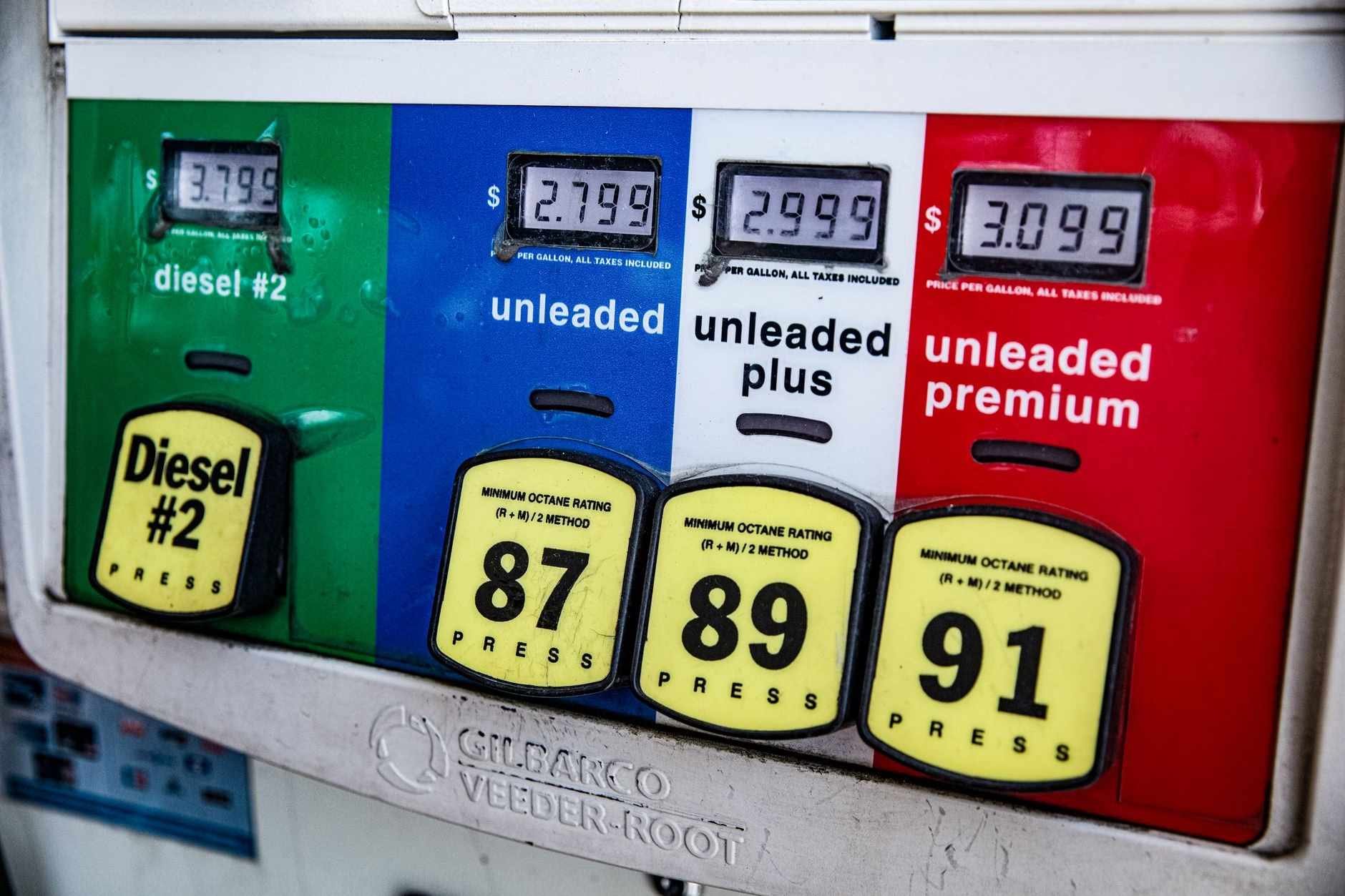
Recent developments in international trade policy have sparked intense diplomatic friction. A newly forged diesel agreement involving Washington and Moscow has drawn fierce criticism from eastern European leadership. Observers and political figures argue that this arrangement undermines existing penalties designed to curb the economic power of the Russian state.
The Ukrainian Perspective on Economic Penalties
Ukrainian President Volodymyr Zelenskyy addressed the situation through a sharp public statement. According to the remarks, any decision by the United States to ease restrictions or trade limitations on Moscow ultimately benefits the Kremlin. The commentary highlights deep anxiety among eastern European allies regarding how trade concessions could impact ongoing regional conflicts and diplomatic leverage.
Legal and Regulatory Concerns
Legal analysts and foreign policy experts are examining the specifics of the diesel pact to determine its compliance with current legislative frameworks. Lawmakers have long championed strict punitive measures to isolate the Russian economy. Critics claim that carving out specific exemptions for fuel products creates loopholes that weaken the overall efficacy of international sanctions.
Broader Geopolitical Implications
Diplomatic relations between key global players remain tense as the fallout from this trade agreement continues to unfold. Allies are closely monitoring Washington for any further shifts in foreign policy that might signal a softening stance toward Moscow. The debate underscores the delicate balance required between domestic energy priorities and international solidarity in maintaining a unified front against foreign aggression.

















Leave a Reply