


Introduction to Natural Flood Management
Urban flooding has long presented a major challenge for communities situated near waterways across the United Kingdom. Traditional engineering solutions often require expensive concrete barriers and extensive drainage networks that demand constant maintenance and significant public funding. In recent years, environmental experts and local authorities have begun looking toward nature-based solutions to mitigate the risks associated with rising water levels and severe weather events. Among the most promising initiatives is the reintroduction of native wildlife species that naturally alter landscapes to retain and slow the flow of water.
The Greenford Beaver Project
A notable milestone in ecological flood prevention occurred in October 2023 with the arrival of five Eurasian beavers in the West London town of Greenford. Released into a secure, semi-natural enclosure, these semi-aquatic mammals immediately began exhibiting their innate behavioral patterns. Rather than requiring human intervention, the beavers instinctively set to work on the local ecosystem. By felling mature trees, gathering sturdy branches, and weaving together mud and vegetation, the animals constructed a series of intricate dams across local watercourses.
Ecosystem Engineers at Work
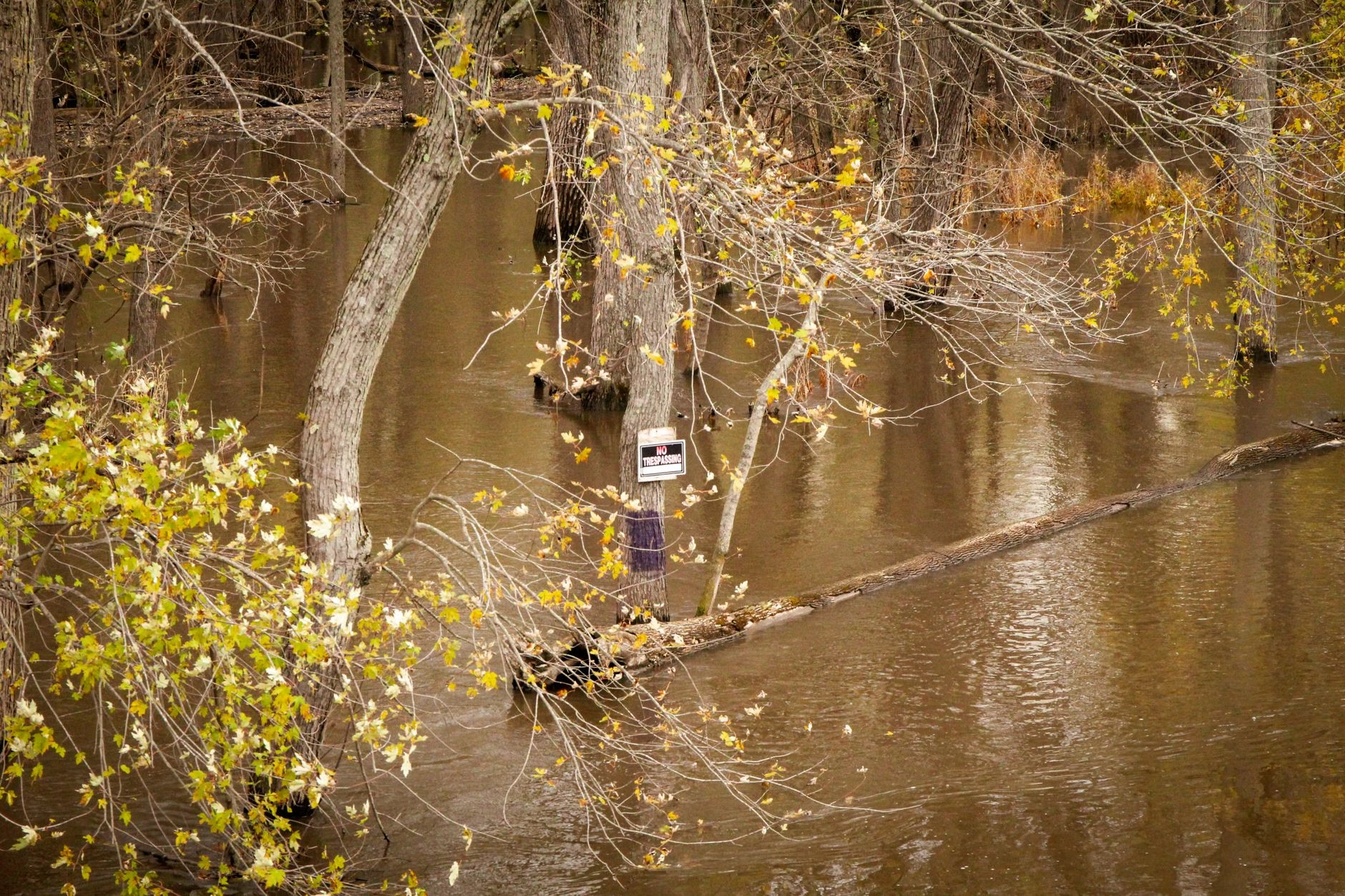
The industrious nature of beavers makes them uniquely suited for watershed management. The dams they build serve as physical barriers that slow the downstream movement of water during periods of heavy rainfall. This natural buffering effect significantly reduces the peak volume of water reaching vulnerable urban areas, thereby lowering the overall risk of sudden inundations. Furthermore, the pooling created behind these wooden barriers allows excess water to spread out gradually across surrounding floodplains rather than overwhelming narrow river channels.
Broader Environmental Benefits
Beyond their primary role in flood mitigation, the presence of beavers yields a wide range of positive ecological outcomes for the local habitat. The wetland areas and ponds created by their dam-building activities provide essential breeding grounds and refuge for a variety of amphibians, fish, and bird species. As water is held back for longer periods, it also has more time to filter naturally through the soil, which can improve overall water quality and recharge local groundwater aquifers.
Looking Ahead for Urban Conservation
The success observed in West London highlights the potential for integrating wildlife conservation with modern urban planning and disaster prevention strategies. As municipalities face increasingly unpredictable weather patterns driven by shifting climatic conditions, turning to nature’s original engineers offers a sustainable and cost-effective path forward. The ongoing monitoring of the Greenford population will undoubtedly provide valuable insights for future rewilding projects aimed at safeguarding communities while simultaneously restoring local biodiversity.
















Leave a Reply