


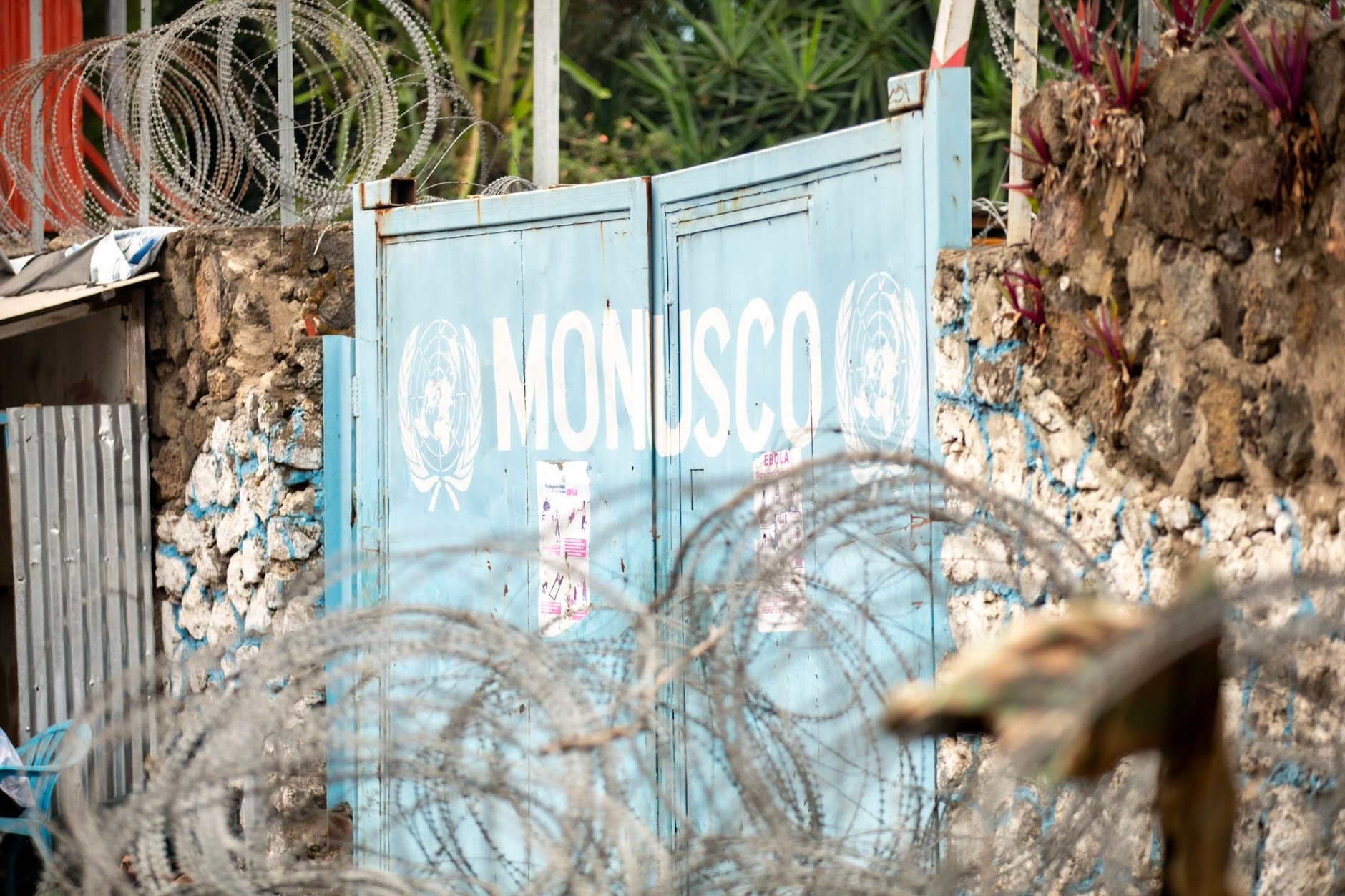
Understanding the Magnitude of the Crisis
Public health officials have confirmed a devastating milestone in Central Africa, as fatalities resulting from the ongoing viral epidemic surpass the threshold of 4,000. This health emergency has officially been documented as the most rapidly spreading instance of the disease in recorded history.
Historical Context and Speed of Transmission
Medical experts and epidemiological researchers have continuously monitored the unprecedented trajectory of this specific medical crisis. Unlike previous occurrences of the virus in the region, the current transmission rate has overwhelmed local containment protocols, creating unique challenges for healthcare workers on the ground.
Challenges Faced by Response Teams
Medical personnel operating in the affected zones encounter severe obstacles daily. Security concerns, logistical hurdles, and community hesitation have historically complicated containment efforts. Despite these barriers, international and local health organizations maintain round-the-clock operations to treat infected patients and trace potential contacts to curb further spread.
Ongoing Prevention and Public Health Measures
Public health authorities continue to emphasize the critical role of early detection, safe burial practices, and vaccination campaigns. Community engagement remains a cornerstone of the medical response strategy, ensuring that residents receive accurate information regarding symptoms, transmission routes, and available treatments. Healthcare infrastructure in the region continues to adapt dynamically to address the fluctuating demands of this historic public health emergency.





















Leave a Reply