


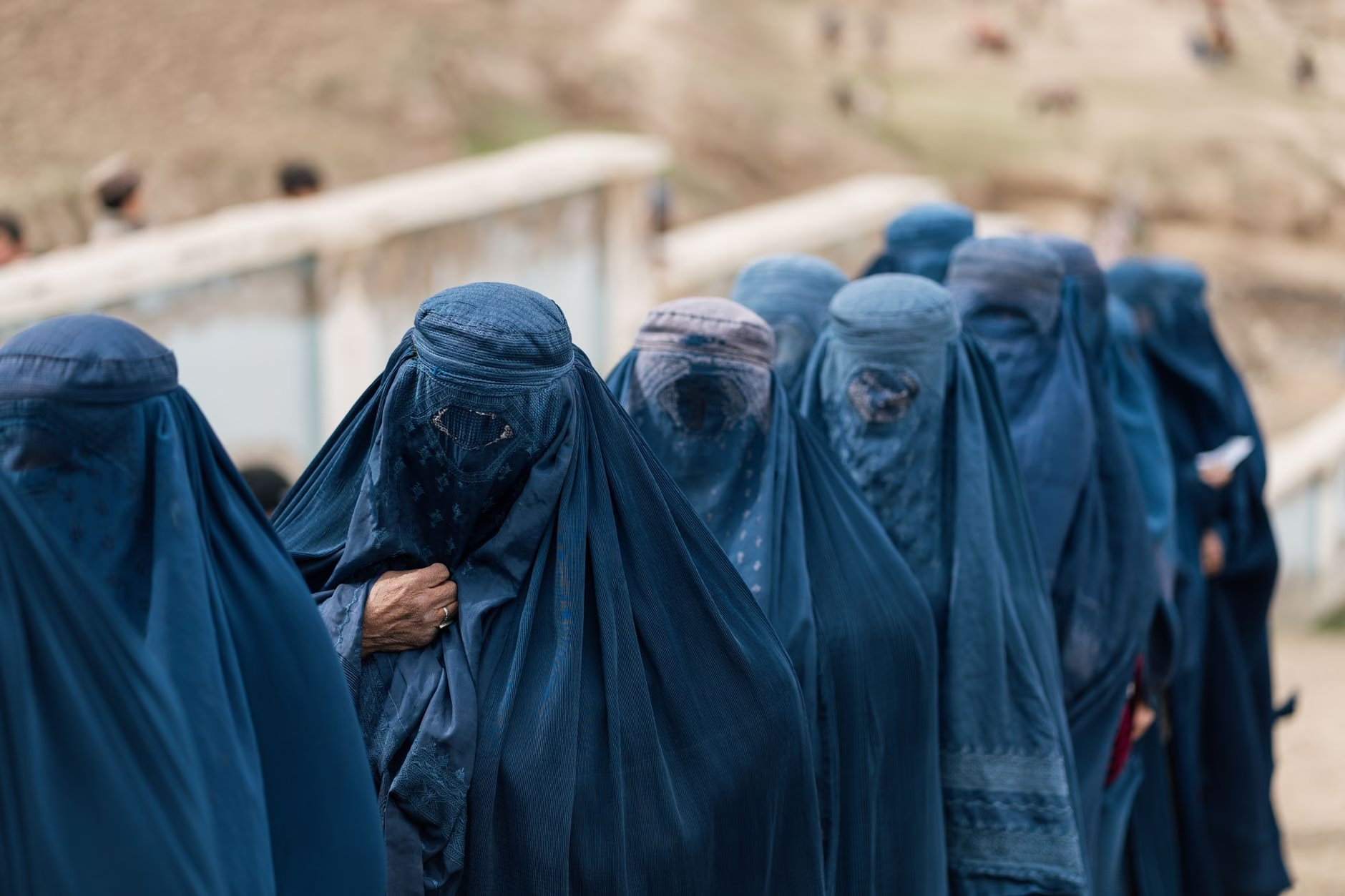
Introduction And Context
Recent military actions along the border have ignited a sharp international debate regarding civilian safety. Official military reports from one neighboring nation claim that recent aerial operations successfully neutralized dozens of hostile combatants. However, local authorities and international monitors present a drastically different narrative, asserting that the primary victims of these cross-border operations were innocent noncombatants, particularly young children.
The Conflicting Official Reports
According to statements released by the military establishment, the cross-border aerial campaigns specifically targeted armed militant factions operating within regional hideouts. Officials maintained that the strikes were precise and resulted in the deaths of more than twenty individuals identified as terrorists. This defensive posture is frequently adopted to justify military engagement beyond sovereign borders in an effort to curb escalating regional violence and insurgent infiltration.
Contradicting these claims, the ruling administration in the affected territory strongly condemned the military action. Representatives asserted that the targeted locations were populated residential areas rather than militant outposts. Local officials documented multiple fatalities, emphasizing that the deceased individuals lacked any affiliation with armed insurgent groups.
United Nations Verification And International Response
The United Nations mission operating within the country released an independent assessment that challenges the official military justification. According to international monitors, the aerial bombardments resulted in a significant number of civilian deaths, with minors comprising the majority of the casualties. This assessment has drawn immediate concern from the global community regarding the protection of vulnerable populations during regional security operations.
International bodies frequently reiterate the necessity of strict adherence to international humanitarian law, which mandates the protection of noncombatants during any military engagement. The stark discrepancy between the reported militant casualties and the documented deaths of children highlights the profound human cost of ongoing border tensions.
Broader Implications For Regional Security
The escalation in cross-border violence demonstrates the fragile security architecture binding the neighboring states. Persistent disagreements over militant safe havens and border sovereignty continue to fuel diplomatic friction and military action. As local populations bear the brunt of these hostilities, humanitarian organizations call for immediate dialogue and increased transparency to prevent further loss of innocent lives.
While security forces maintain their right to target hostile elements, the undeniable evidence of civilian suffering complicates diplomatic relations in the region. Observers note that without verified accountability and rigorous preventative measures during military operations, the cycle of violence and retaliatory rhetoric will likely persist.



















Leave a Reply