


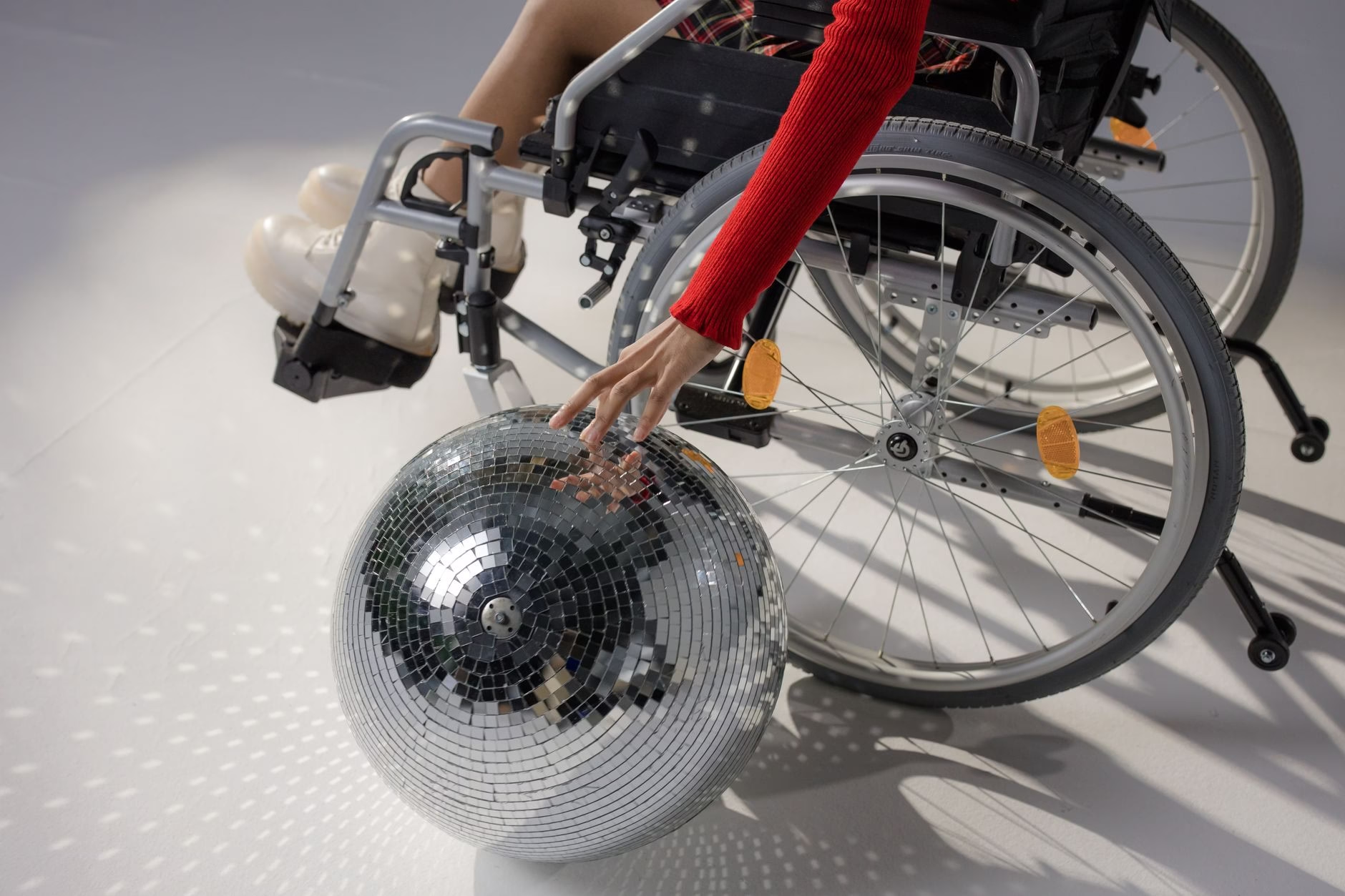
Introduction to Inclusive Movement
Participation in the arts often presents unique barriers for individuals navigating physical and intellectual disabilities. However, specialized community initiatives are actively changing this landscape by creating welcoming spaces where movement and expression are accessible to everyone.
In the state of Indiana, a dedicated dance program is making significant strides in bridging this gap. The initiative is specifically tailored to individuals with conditions such as Down syndrome, offering them a structured yet joyful environment to explore the art of dance.
Breaking Down Barriers on the Dance Floor
Traditional dance classes can often feel intimidating or inaccessible for participants with diverse learning needs or physical limitations. This program was established to dismantle those obstacles by focusing on adaptability, patience, and individual progress.
Instructors within the program are trained to work closely with participants of varying abilities. They tailor routines and teaching methods to match each dancer’s comfort level and physical capacity, ensuring that nobody feels left behind.
The Power of Rhythm and Expression
Dance is much more than just physical exercise. For many individuals with intellectual and physical disabilities, rhythmic movement serves as a powerful outlet for emotional expression, confidence building, and social connection.
Participants in the Indiana initiative have the opportunity to engage their bodies and minds in a creative dialogue. By following the beat and learning new choreography, dancers build coordination, balance, and spatial awareness in a supportive setting.
Fostering Community and Belonging
Beyond the physical benefits, the program plays a vital role in fostering a strong sense of community. Dancers gather regularly to practice, share experiences, and support one another in their artistic journeys.
Families and caregivers frequently highlight the positive transformation they observe in participants. The confidence gained on the dance floor often spills over into other areas of daily life, empowering individuals to express themselves more boldly and engage more actively with the world around them.
Looking Toward the Future
As the demand for inclusive recreational activities continues to grow, programs like the one in Indiana serve as a shining model for what is possible when accessibility is prioritized.
By continuing to open doors for dancers with diverse abilities, the initiative demonstrates that rhythm and movement belong to everyone, regardless of physical or intellectual challenges.

















Leave a Reply