


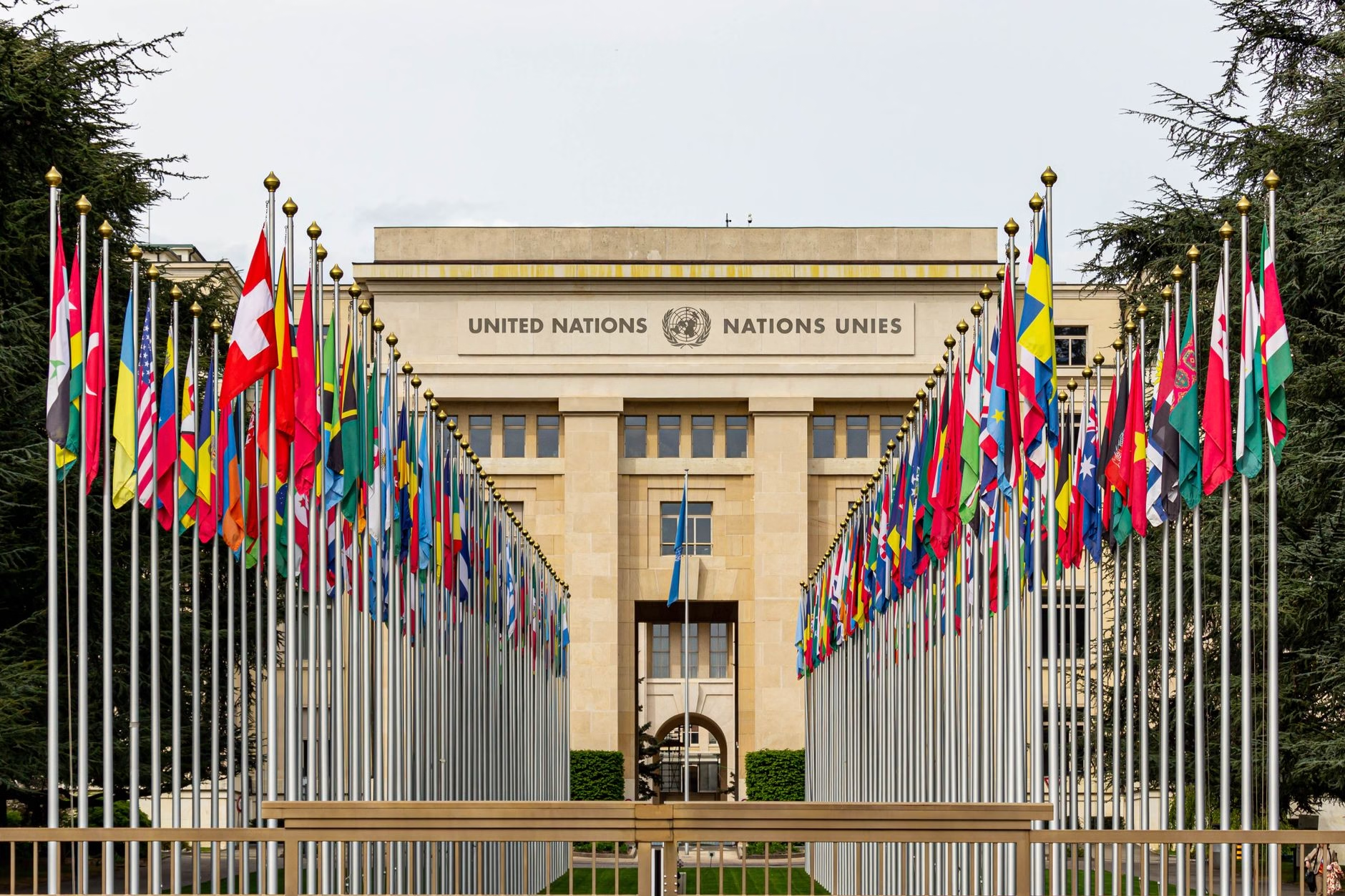
Diplomatic Rhetoric at the UN General Assembly
Presidents, prime ministers, monarchs, and cabinet ministers descend upon New York every year with a singular mission. They must capture the attention of the world stage during the annual United Nations General Assembly. To drive their points home, these heads of state and high-ranking diplomats frequently rely on powerful rhetorical devices. Among the most popular tools in a diplomat’s arsenal is the strategic use of famous quotations.
The Evolution of Global Speeches
Addressing the United Nations is a unique balancing act. Leaders are tasked with representing their national interests while simultaneously appealing to the broader international community. In an era dominated by rapid news cycles and dwindling attention spans, crafting a memorable speech is harder than ever. By integrating well-known phrases from historical figures, literary giants, and even contemporary culture, speakers attempt to bridge cultural divides and evoke shared human emotions.
Drawing from Ancient Wisdom
It is common for speeches at the global summit to feature references to ancient texts and classical philosophy. These timeless works provide a sense of gravitas and enduring truth that resonates across generations. When a leader invokes the wisdom of philosophers from centuries past, they are often attempting to place their current political struggles within the larger narrative of human history. This technique helps frame modern geopolitical crises as part of an ongoing quest for peace, justice, and stability.
Modern Greats and Literary Icons
Beyond ancient philosophy, diplomats frequently lean on modern literary figures and historical leaders. Speeches often incorporate lines from poets, novelists, and statesmen who fought for civil rights, democracy, and human dignity. These references serve as powerful reminders of past triumphs over adversity. They encourage member states to remain steadfast in the face of contemporary challenges such as climate change, economic inequality, and regional conflicts.
Surprising Pop Culture References
While traditional wisdom and historical quotes remain staples of the assembly, speakers occasionally surprise audiences with unexpected modern references. It is not entirely unheard of for a diplomat to quote lines from contemporary music, cinema, or popular culture. These unexpected moments can instantly humanize a speaker, break the monotony of a lengthy diplomatic address, and capture the imagination of global media outlets.
The Impact on International Relations
Ultimately, the choice of a quote is never accidental. Every line is carefully selected, vetted, and polished by speechwriters to maximize emotional impact. Whether quoting ancient scriptures or modern musicians, leaders use these literary touchstones to emphasize urgency, foster solidarity, and leave a lasting impression long after the assembly hall has emptied.
















Leave a Reply