


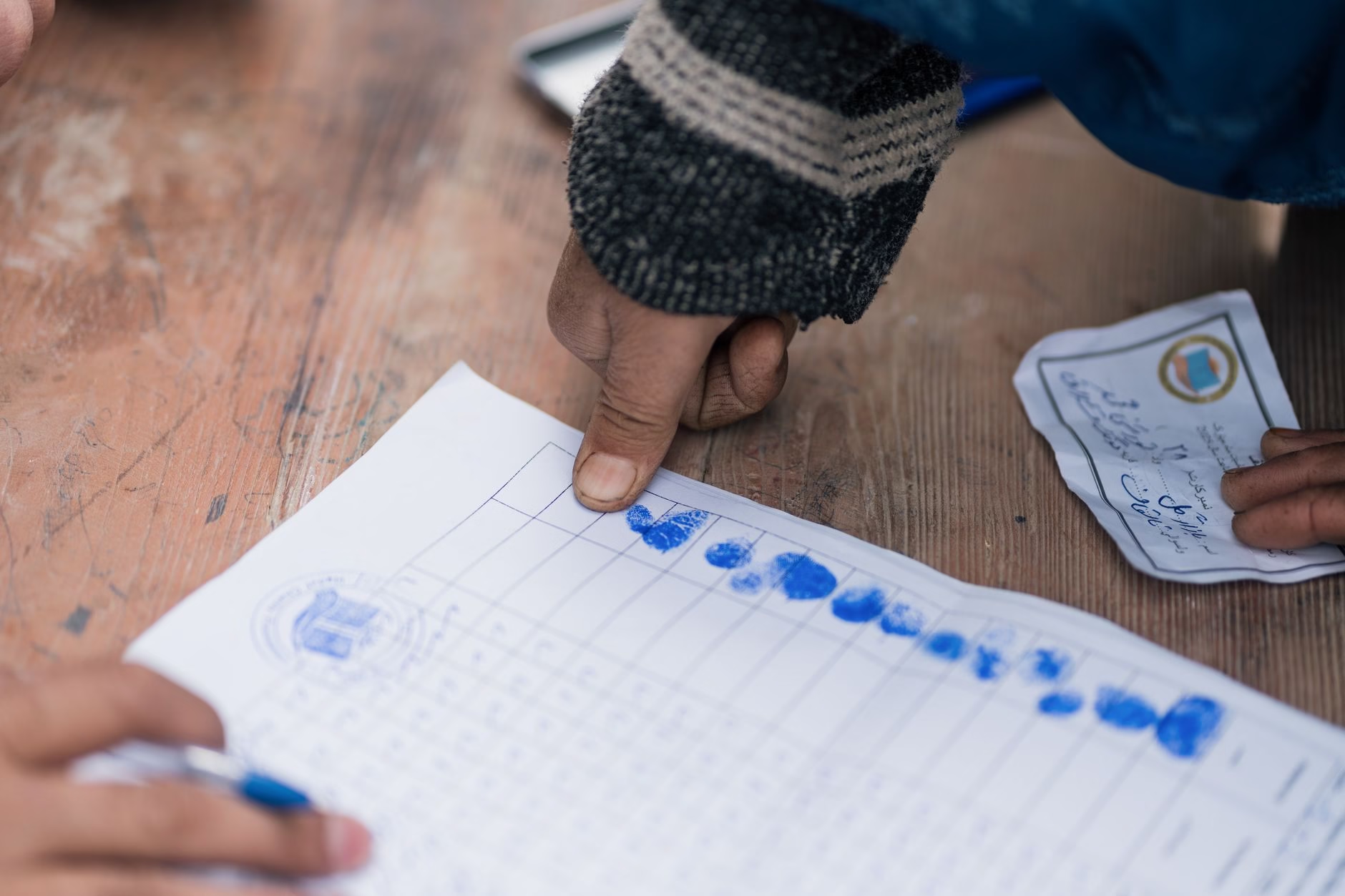
Introduction to the Legal Battle
The United States Supreme Court has made a significant decision regarding election administration by reviving a broad immigration database. The system, initially established during the Trump administration, is designed to identify potential noncitizen voting. Supporters argue that the tool is essential for maintaining the integrity of voter rolls and ensuring that only eligible citizens cast ballots in federal and local elections.
However, the measure has faced fierce opposition from civil rights advocates and voting rights organizations. Critics contend that the database is prone to errors and could ultimately lead to the widespread disenfranchisement of legitimate voters. The legal back-and-forth highlights the ongoing tension between election security initiatives and broad voter access in the United States.
Understanding the Verification System
The restored database serves as a cross-referencing mechanism that connects state voter registration files with federal immigration records. By comparing these datasets, government officials aim to flag individuals who may have registered to vote despite not holding United States citizenship. Federal law strictly prohibits noncitizens from voting in federal elections, making identity and citizenship verification a critical component of election administration.
Proponents of the system emphasize that modernizing election infrastructure requires leveraging available federal data to prevent voter fraud. In their view, checking state rolls against immigration databases is a straightforward and logical step to protect democratic processes. They maintain that the tool provides necessary oversight without placing an undue burden on election officials.
Concerns Over Voter Disenfranchisement
On the other side of the legal debate, voting rights groups raise serious concerns about the accuracy and reliability of the database. Past challenges to similar verification programs have demonstrated that matching complex records often results in false positives. Naturalized citizens and individuals with common names are frequently misidentified as noncitizens due to outdated information or formatting discrepancies in federal databases.
Critics warn that if eligible voters are incorrectly flagged, they could face bureaucratic hurdles, administrative delays, or even the removal of their names from active voter lists right before an election. Such outcomes, opponents argue, undermine the fundamental right to vote and disproportionately impact minority communities who may already face systemic barriers to participation.
Implications for Future Elections
As the legal landscape continues to evolve, the reinstatement of this database will have immediate practical implications for election officials across the country. States now have the legal green light to implement the verification measures as they prepare for upcoming electoral cycles. This development places additional responsibilities on local election boards to carefully review any flags generated by the system to avoid erroneous voter purges.
The broader national discussion surrounding election integrity and voter access shows no signs of abating. Balancing the need for secure voter rolls with the protection of every eligible citizen’s right to participate remains one of the most contentious issues in American politics. With the highest court weighing in, the focus now shifts to how states will operationalize the database while navigating the competing demands of security and accessibility.


















Leave a Reply