


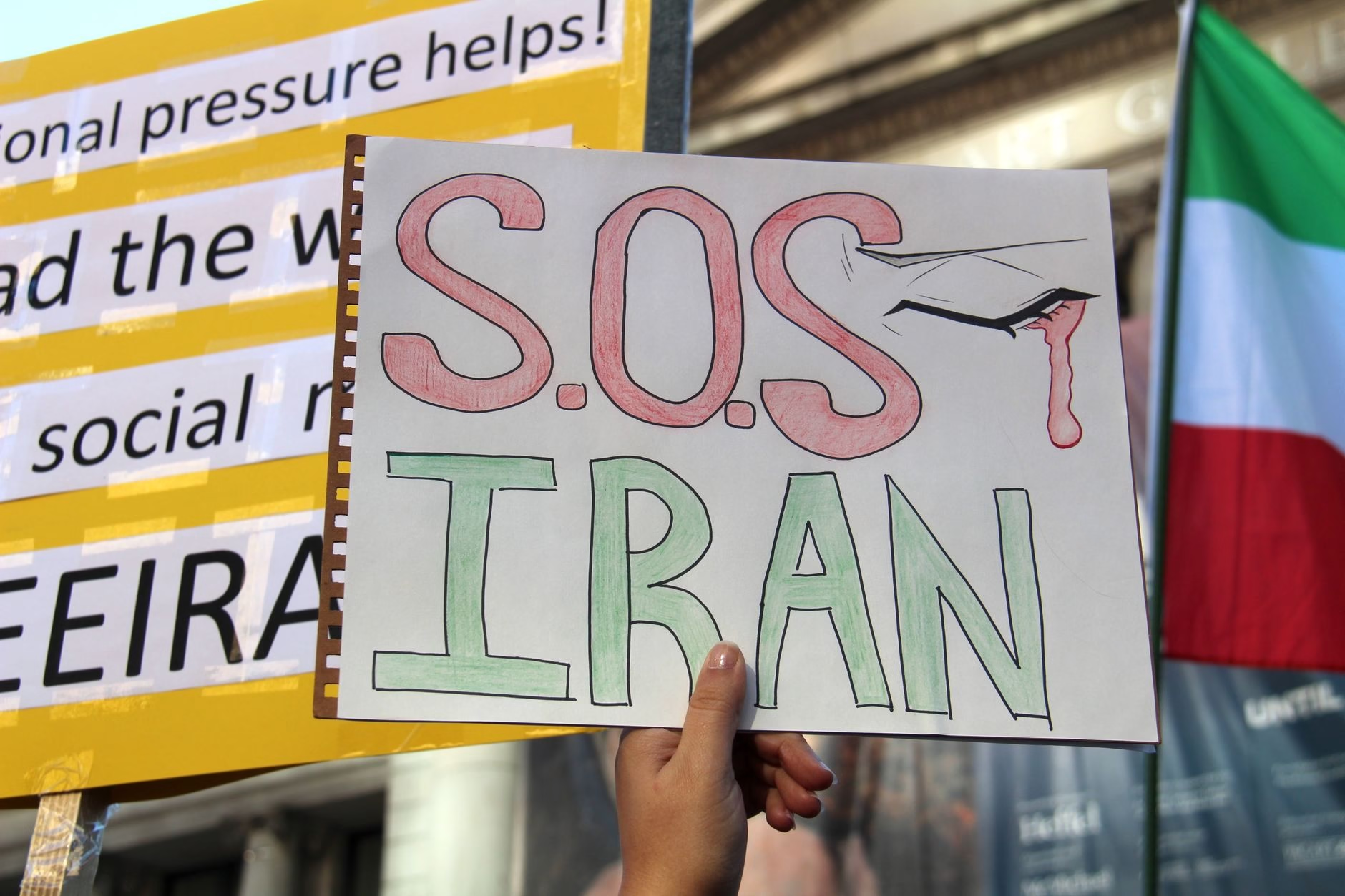
Background and Context
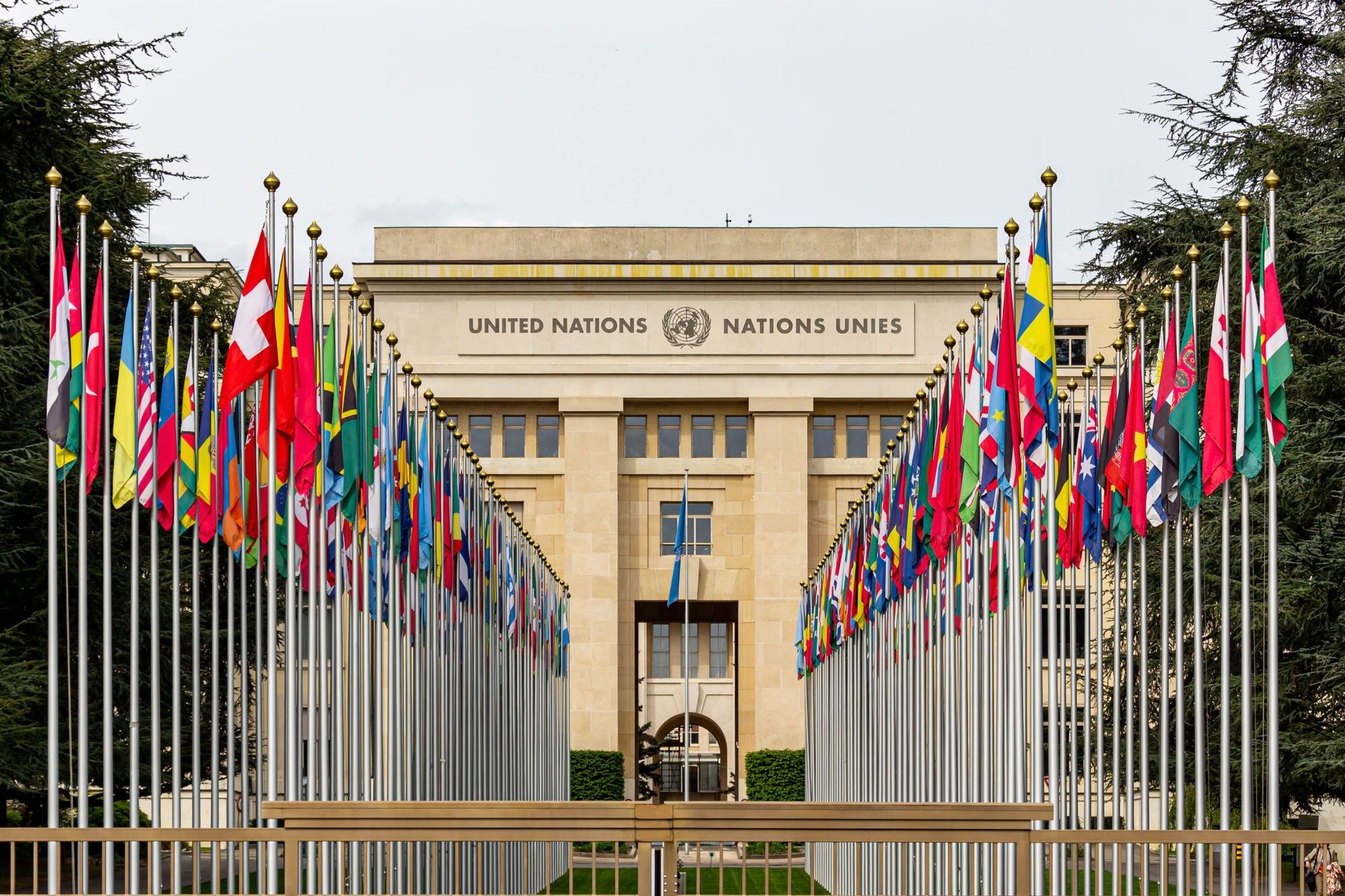
The annual gathering of world leaders at the United Nations General Assembly in New York City serves as a prominent stage for nations to air grievances, promote diplomatic agendas, and challenge adversaries. Leaders from around the globe converge to discuss pressing international matters, ranging from economic development to armed conflicts and humanitarian crises. Within this high-stakes environment, speeches are carefully analyzed by diplomats, intelligence agencies, and global media outlets for any signals of shifting policies or escalating rhetoric.
The Address in New York
During the proceedings in New York City, the head of Iran delivered a defiant and sharp address to the assembled international community. Rather than focusing solely on traditional diplomatic themes of cooperation or economic exchange, the address quickly turned to a direct critique of Western and Middle Eastern policies. The speaker utilized the prominent international platform to confront major geopolitical rivals, signaling a continuation of a firm and uncompromising stance on foreign relations.
Visual Protests and Accusations
A striking moment occurred near the beginning of the address when the Iranian leader held up visual evidence in front of the delegates. Specifically, photographs of children were displayed for the audience to see. According to the speaker, these individuals were victims who lost their lives as a direct result of military actions involving bombs supplied or deployed by the United States and Israel. This dramatic gesture was intended to draw immediate international attention to the human toll of ongoing conflicts and to place moral responsibility squarely on Washington and Jerusalem.
Broader Implications for Global Diplomacy
The rhetoric deployed during the United Nations session underscores the deep divisions currently paralyzing multilateral institutions. By publicly assigning blame for global instability to specific nations, the discourse moves further away from constructive dialogue. Observers note that such confrontations reflect the entrenched nature of current geopolitical disputes. As nations prepare for subsequent diplomatic engagements, the fallout from these pointed accusations is expected to influence bilateral relations and security postures for the foreseeable future.


















Leave a Reply