



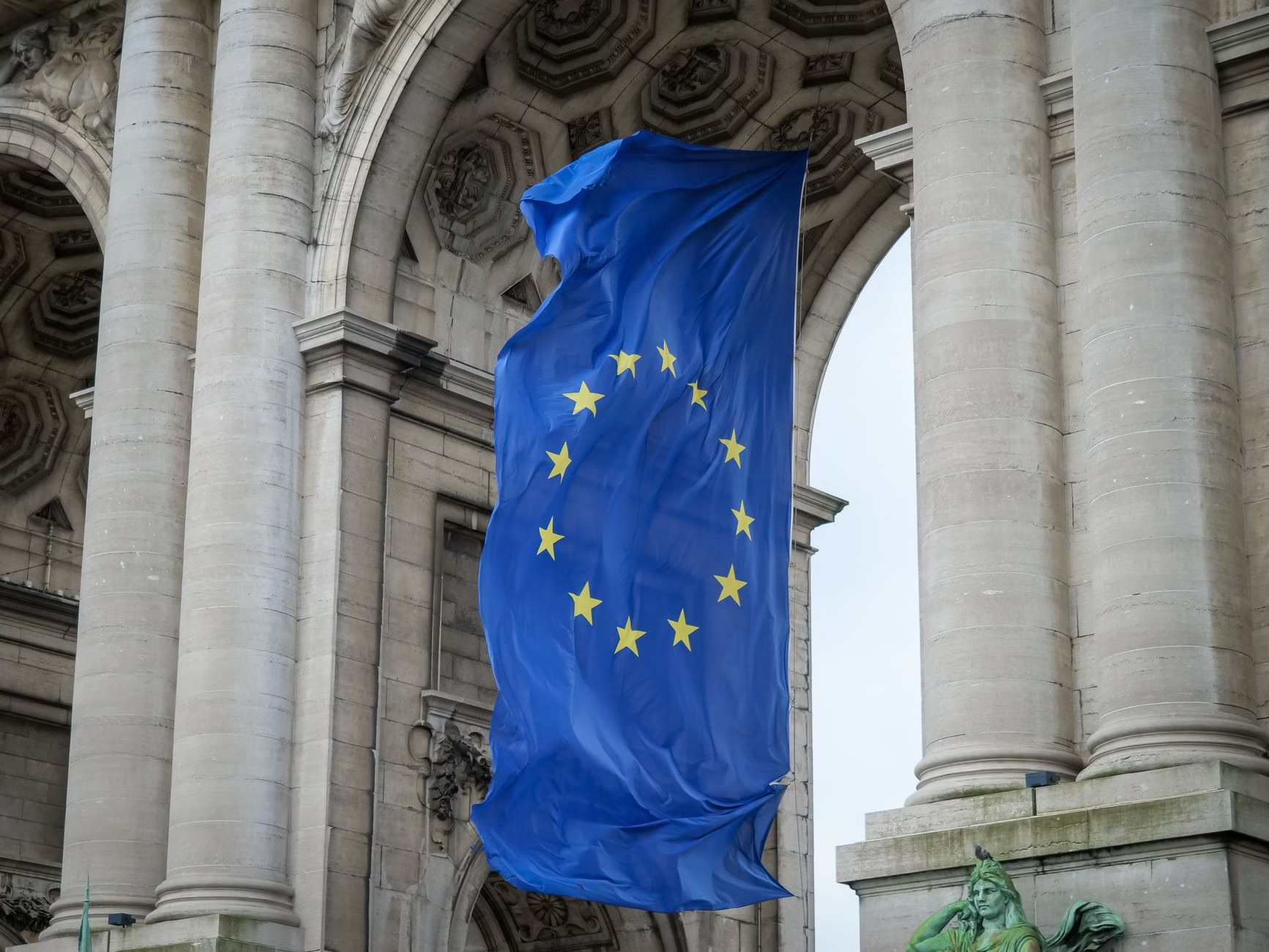
The geopolitical landscape often yields unexpected diplomatic initiatives, and the latest proposal regarding Canada associate membership within the European Union has sparked significant discussion among continental leaders. As global alliances shift and nations seek robust economic and security partnerships, this novel concept bridges the Atlantic in unprecedented ways. European officials have begun evaluating the multifaceted implications of such a framework, weighing strategic advantages against institutional complexities.
Strategic Sectors Driving the Dialogue
At the core of these discussions are several vital industries that underpin modern economic stability and national security. European Union representatives have placed considerable emphasis on critical minerals, recognizing the absolute necessity of secure supply chains for green technology and advanced manufacturing. Canada possesses vast reserves of these essential materials, making it an indispensable partner for European industrial ambitions.
Beyond raw materials, the energy sector forms another pillar of potential collaboration. With European nations actively diversifying their energy portfolios, reliable transatlantic supply lines offer enhanced resilience. Furthermore, defence equipment and security cooperation have emerged as top priorities in light of evolving geopolitical tensions. Integrating defence strategies and technological capabilities could significantly bolster mutual readiness and operational efficiency across allied territories.
Cultural Connections and Soft Power
While hard economics and security form the backbone of the proposal, European officials have also acknowledged the profound cultural footprint Canada holds globally. Leaders have warmly highlighted some of Canada most popular and enduring exports, ranging from internationally acclaimed musical icons like Celine Dion to contemporary cultural phenomena such as the television show Heated Rivalry. These softer elements of diplomacy play a crucial role in fostering goodwill and strengthening public affinity between Canadian and European populations.
Path Forward and Institutional Realities
Despite the enthusiasm surrounding mutual strategic and cultural interests, turning a conceptual associate membership into a concrete reality requires navigating intricate diplomatic pathways. European Union institutions must carefully assess how such an arrangement would function alongside existing treaties and member state obligations. Analysts note that while formal integration of this scale presents administrative hurdles, the ongoing dialogue signals a shared commitment to deepening transatlantic cooperation in an increasingly complex world.
























Leave a Reply